Body-Oriented Therapy: When Your Body Has More to Say Than Your Words
If you have ever sat in therapy and said,
“I don’t know how I feel,”
while your stomach was tight,
your jaw was clenched,
and your shoulders were somewhere near your ears…
then you have already met the most honest part of you.
Your body.
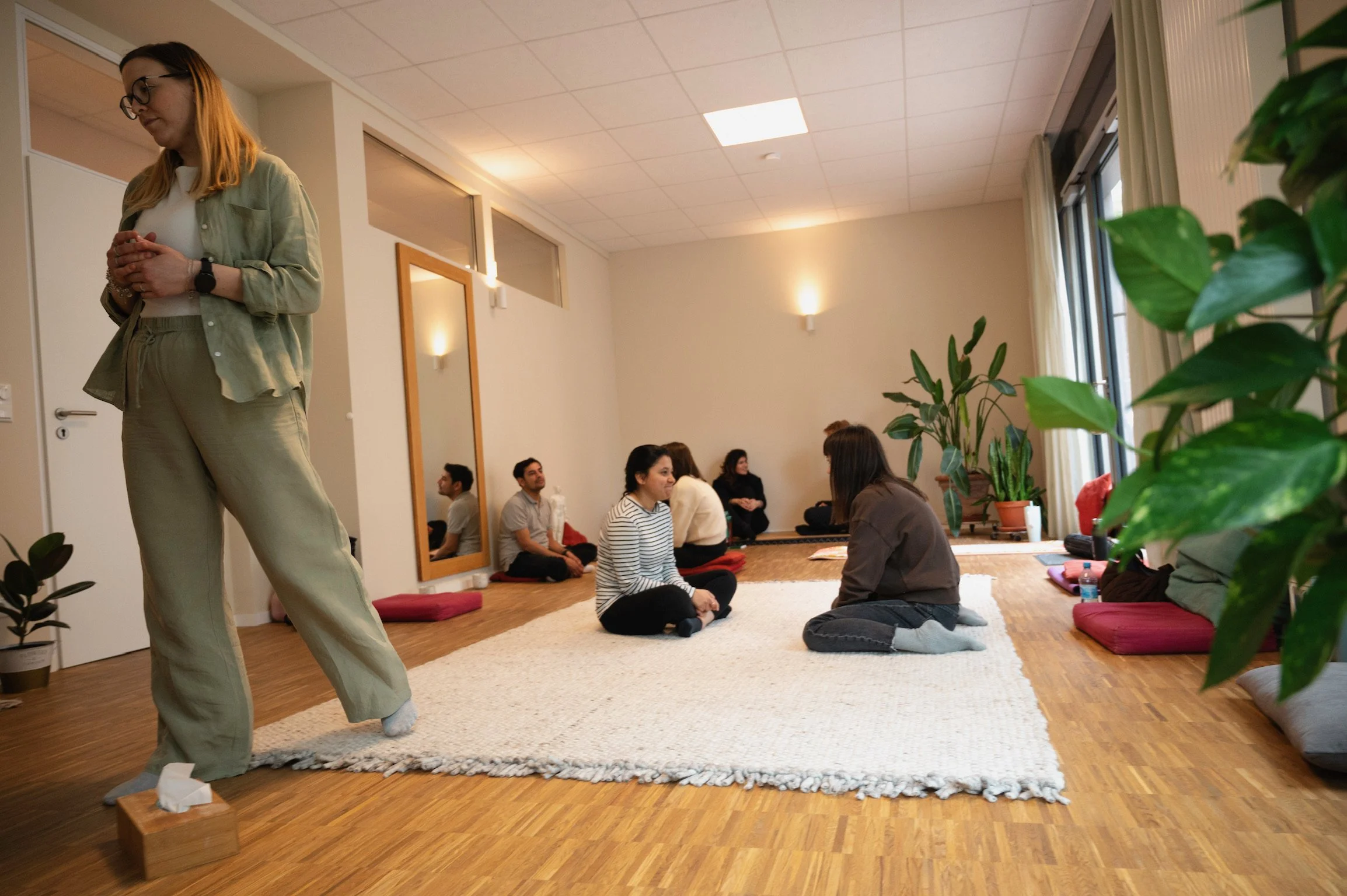
Body-oriented therapy, or somatic therapy, is exactly what it sounds like.
It is therapy that listens to the body, not just the narrative.
Because here is something we do not talk about enough.
You can understand your story perfectly and still feel stuck inside it.
You can explain your childhood.
Name your attachment style.
Quote the book.
And still brace when someone raises their voice.
Still shut down in conflict.
Still panic when you try to rest.
That is because your body holds what your mind has already rationalised.
The held breath.
The tightened jaw.
The subtle freeze when something feels unsafe.
The urge to please.
The urge to disappear.
The urge to push harder.
Your body remembers what you survived.
So what actually happens in body-oriented therapy?
No, you are not asked to do yoga.
No one forces you to breathe in a dramatic way.
You do not have to “perform” vulnerability.
We slow down.
We notice.
Where does your chest tighten when you speak about your mother?
What happens in your stomach when you say the word no?
Do your feet feel grounded when you talk about shame?
What happens in your throat when you try to express anger?
Sometimes we explore breath.
Sometimes posture.
Sometimes the difference between collapse and steadiness.
Sometimes we simply stay with a sensation long enough for it to shift.
Often the most powerful moment in a session is not a breakthrough sentence.
It is a deep exhale.
One you did not know you were holding.
Who is this work for?
For the woman who says:
“I’m anxious but I don’t know why.”
“I react before I can think.”
“I feel numb, but I know I’m not okay.”
“I’ve talked about this for years and nothing changes.”
It is for you if insight alone has not created change.
If you are tired of analysing your feelings but still feeling trapped in them.
If you want to build a nervous system that feels safe enough to live the life you are building.
The body is not something to fix.
It is not dramatic.
It is not inconvenient.
It is not irrational.
It is intelligent.
When you begin to listen to it instead of overriding it, something shifts.
Not theatrically.
Steadily.
And often the body’s response is not fireworks.
It is relief.
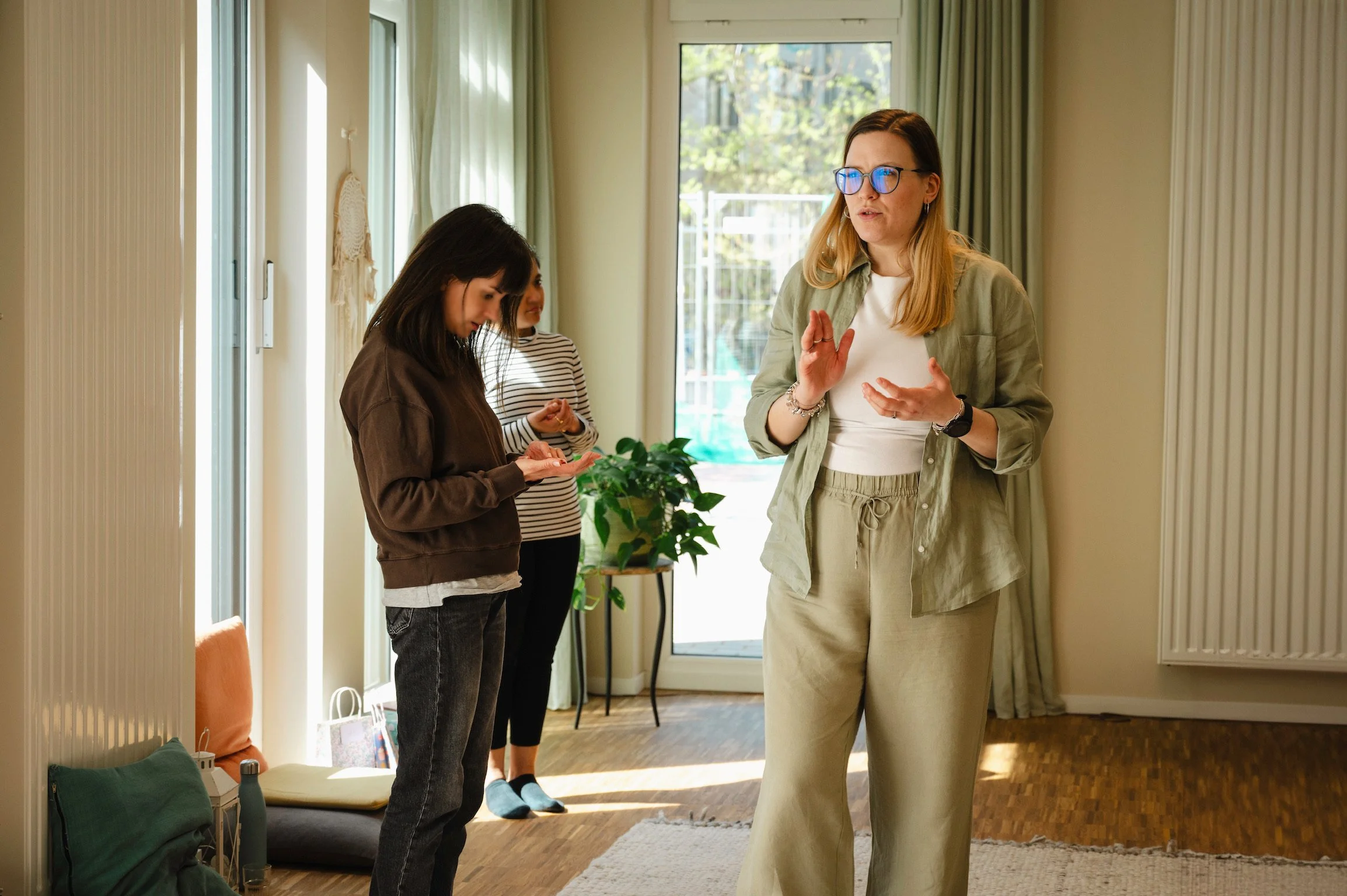
If you are curious what it would feel like to work this way, we can explore that together.
Because healing is not only something you understand.
It is something you experience.
In your body.