English-Speaking Therapist in Berlin: Finding the Right Therapist for You
If you're looking for an English-speaking therapist in Berlin, you're probably already carrying something that feels heavy.
Maybe you've been feeling anxious for months and can't quite explain why. Maybe work has become overwhelming, your relationship is going through a difficult patch, or perhaps you've recently moved to Berlin and are finding it much harder than you expected.
Or maybe nothing dramatic has happened at all.
You just don't quite feel like yourself anymore.
Whatever brought you here, welcome.
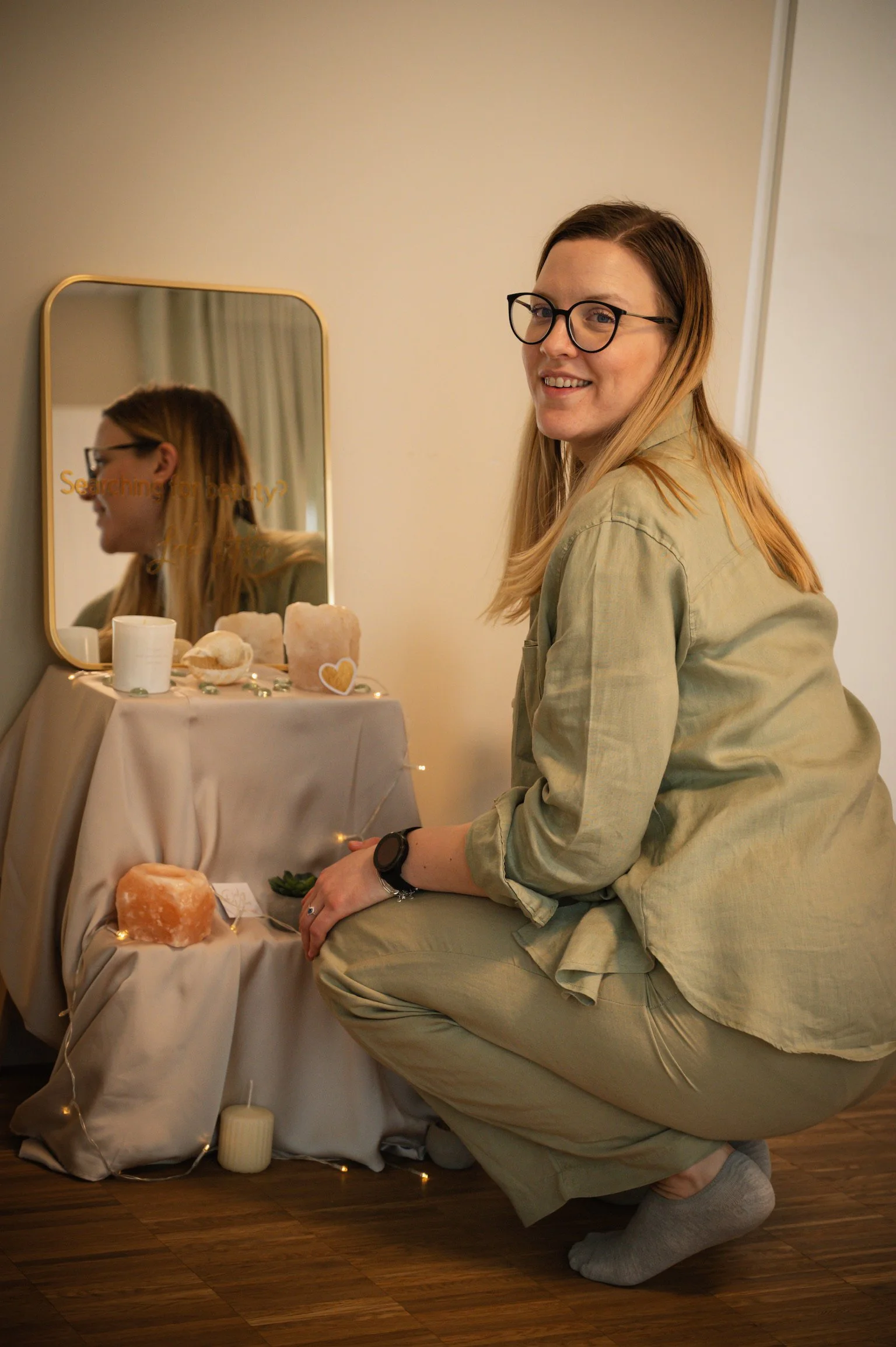
One of the first things I tell people is that starting therapy doesn't mean something has gone terribly wrong. More often than not, it simply means you've reached a point where you'd rather stop figuring everything out on your own.
And if you've already started looking for a therapist, you've probably noticed something else.
There are hundreds of them.
Different qualifications. Different approaches. Different prices. Different waiting lists.
How do you know who's right for you?
Why finding the right therapist matters more than finding a therapist
When people first start looking for therapy, they often focus on practical questions.
"Do they speak English?"
"Are they close to my apartment?"
"Do they have appointments available?"
"Do they offer appointments online?"
Those things matter.
But they're not the most important part.
Therapy is unlike almost any other professional relationship you'll have. You're inviting someone into conversations you may never have had with another person before. You're talking about your fears, your relationships, your hopes, your childhood, your patterns, your disappointments.
Feeling safe with the person sitting opposite you matters.
Research consistently shows that one of the biggest predictors of successful therapy isn't a particular technique or method—it's the therapeutic relationship.
That doesn't mean your therapist needs to become your friend.
It means you should feel listened to.
Respected.
Curious rather than judged.
And able to say, "Actually... I don't agree," without worrying about disappointing them.

Why therapy in English?
This is something I hear surprisingly often. People apologise for wanting therapy in English.
"I speak German..."
"I've lived here for years..."
"I probably should be able to do therapy in German."
But therapy isn't a language exam. It's about expressing yourself in the language where your emotions come most naturally. I've worked with people who speak several languages fluently, yet when we begin talking about difficult relationships, family dynamics or painful experiences, they instinctively switch back to English. Not because they can't speak German. Because vulnerability often lives in our first emotional language. If speaking English helps you express yourself more freely, then that's reason enough.
Living in Berlin can be wonderful—and lonely
Berlin is an incredible city. It's full of creativity, opportunity and people from every corner of the world. It's also a city where many people quietly struggle.Moving abroad often means leaving behind family, long-term friendships and the support systems you didn't even realise you relied on.
At first, everything feels exciting. Then real life begins. You're building a career. Trying to make friends. Learning how everything works. Missing home.Wondering whether everyone else seems to have figured it out better than you. Sometimes therapy becomes the one place where you don't have to pretend you're coping quite as well as your Instagram suggests.
How do you know if it's the right time to start therapy?
People often imagine there's a clear moment when they "need" therapy. In reality, it's rarely that obvious. Some people come because they're experiencing panic attacks. Others because they're exhausted. Some because they're repeating the same relationship patterns over and over again. Others simply because they can't remember the last time they genuinely felt like themselves.

You don't need a diagnosis to begin therapy. You don't have to wait until things become unbearable. Sometimes therapy starts with a very simple thought:
"I don't want to keep living like this."
If you're wondering whether therapy might be helpful, I've written another article exploring that question in more depth.
→ Read next: How Do You Know It's Time to Start Therapy?
Different therapists work differently
If you've spent any time searching online, you've probably come across terms like CBT, psychodynamic therapy, integrative therapy or body-oriented therapy. It can feel like learning a new language. The truth is that different approaches suit different people. Personally, I work integratively. That means I don't believe one therapeutic approach fits everyone.
Some sessions might focus on understanding patterns in your relationships. Others on developing practical tools to manage anxiety or overwhelm. Sometimes we slow down enough to notice what your body is trying to communicate before your mind has caught up. Because our emotions don't only live in our thoughts.
They also live in tight shoulders.
A racing heart.
A clenched jaw.
A nervous system that's forgotten what it feels like to truly relax. If you'd like to learn more about this approach, I've written a separate article explaining body-oriented therapy and why I incorporate it into my work.
→ Read next: What Is Body-Oriented Therapy?
What happens during the first therapy session?
Almost everyone asks this question. And almost everyone imagines something much scarier than reality. Your first session isn't about proving that you deserve therapy. You don't need to prepare a speech or tell your whole life story. Instead, it's simply a conversation. We'll talk about what's brought you here. What's been feeling difficult. What you'd like life to feel like instead. You'll also have space to ask me questions.

Choosing a therapist goes both ways. It's important that you feel comfortable with me just as much as it's important that I understand how I can best support you. There is no pressure to share everything in the first session. We go at your pace. If you're curious about what a first appointment looks like, I've written a more detailed guide here.
→ Read next: What Happens During Your First Therapy Session?
How do you know you've found the right therapist?
This is probably the hardest question to answer. Because the answer isn't logical. It's relational. After your first session, ask yourself:
Did I feel listened to?
Did I feel understood?
Did I feel safe enough to be honest?
Did I leave feeling even slightly lighter?
Therapy isn't always comfortable. Sometimes you'll leave sessions feeling challenged or emotional, but underneath that, there should be a sense that someone is walking alongside you rather than telling you how to live your life.
And if that feeling isn't there? It's okay to keep looking. Finding the right therapist is a little like finding the right pair of hiking boots.
The first pair might be perfectly good. They just might not be the right fit for you.

Frequently Asked Questions
Can I have therapy in English in Berlin?
Yes. Many therapists in Berlin offer therapy in English, particularly those working with the international community.
Do I need a diagnosis?
No.
Many people come to therapy simply because they want support, greater self-awareness or help navigating a challenging period of life.
How often do people usually come to therapy?
It depends on your goals.
Some people come weekly, others every two weeks. Together, we'll decide on a rhythm that feels supportive and realistic.
Is therapy confidential?
Yes.
Everything discussed during our sessions remains confidential, with very limited legal exceptions that we'll discuss at the beginning of our work together.
A final thought
If you've read this far, I'd like to leave you with one thought. Starting therapy isn't a sign that you've failed. It's a sign that you're willing to invest in yourself in the same way you invest in the people and things that matter to you. You don't need to have everything figured out before you reach out. You don't need the perfect explanation. You don't even need certainty.
Sometimes all you need is the feeling that something needs to change. If you're looking for an English-speaking therapist in Berlin and my approach resonates with you, I'd love to meet you for an initial consultation. There's no obligation to continue afterwards—it's simply an opportunity for us to get to know one another and decide whether we're the right fit.
After all, therapy isn't about finding the perfect therapist. It's about finding the person you feel safe enough to begin with.