Signs of Burnout: It's Not Always What You Think
When most people picture burnout, they imagine someone who's completely exhausted. Someone who can't get out of bed, who has no energy left, who's visibly struggling.
Sometimes burnout looks like that.
But more often, it doesn't.

More often, burnout looks like answering emails at 10 p.m. because you're "just catching up." It looks like cancelling plans because you're too tired to be present, even though you've spent the whole day working. It looks like waking up exhausted after eight hours of sleep or feeling strangely emotional over things that never used to bother you.
Many of the people I meet in therapy don't come in saying, "I think I'm burnt out."
They usually say something like:
"I'm just tired."
"I can't seem to switch off anymore."
"I feel like I'm constantly behind."
Or perhaps:
"I don't know what's wrong with me. I used to enjoy my work."
Burnout rarely arrives overnight. It's usually something that builds quietly over weeks or months until one day you realise that simply getting through the day feels harder than it used to.
Burnout is more than being stressed
Stress and burnout are often used interchangeably, but they're not the same thing.
Stress is usually linked to a specific situation. A busy project at work, a house move, exams or a demanding period of life. Although it can feel overwhelming, there's often a sense that things will settle once the situation changes.
Burnout is different.
Instead of feeling temporarily overwhelmed, you begin to feel emotionally, mentally and physically depleted. The energy that once helped you cope simply isn't there anymore.
You might keep functioning. You might still go to work, meet deadlines and smile through meetings.
But underneath, everything feels heavier.
That's why burnout can be difficult to recognise, especially in people who are used to being capable.

The signs are often subtle at first
One of the reasons burnout is missed is because it rarely announces itself dramatically.
It starts with little things.
You wake up tired, even after sleeping.
You struggle to concentrate on tasks that used to feel easy.
You feel irritated by small inconveniences.
You notice yourself saying, "Once I get through this week, it'll be better."
Then another week passes.
And another.
Over time, these small changes begin to affect almost every area of your life.
You're always "on"
Many people experiencing burnout describe feeling as though they never truly relax.
Even when they're sitting on the sofa, their mind is somewhere else.
Thinking about tomorrow's meeting.
Replying to emails.
Remembering something they forgot to do.
Planning the weekend.
Their body is technically resting, but their nervous system never gets the message that it's safe to switch off.
Over time, this constant state of alertness becomes exhausting.
The things you once enjoyed start to feel like effort
One of the quieter signs of burnout is losing interest in things that used to bring you joy.
Maybe you used to love cooking, but now ordering takeaway feels easier.
You stop exercising, not because you don't want to, but because you can't find the energy.
You decline invitations from friends because the thought of socialising feels overwhelming.
This isn't laziness.
It's often a sign that your emotional resources have been stretched for too long.
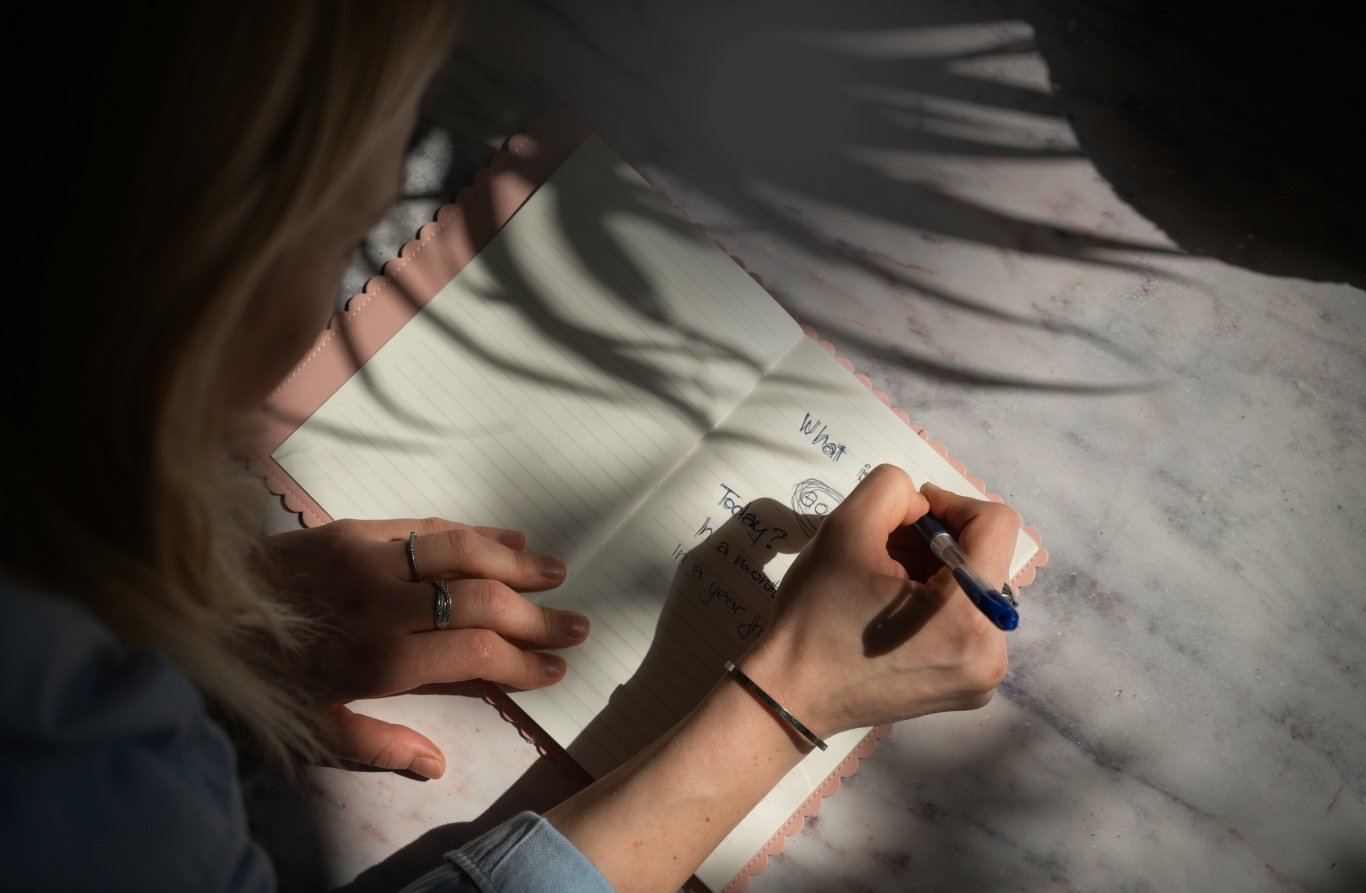
Your body starts asking for attention
Burnout isn't only something we think. It's something we feel. Many people notice headaches, muscle tension, digestive issues or disrupted sleep long before they recognise they're emotionally exhausted.
Our bodies have a remarkable way of letting us know when something isn't sustainable.
The challenge is that many of us have become very good at ignoring those signals.
We tell ourselves we'll rest after the next deadline.
After the holiday.
After the promotion.
But our bodies don't work according to our calendars.
This is one of the reasons I often integrate body-oriented approaches into therapy. Learning to notice what your body is communicating can be just as important as understanding what's happening in your thoughts.
You're still functioning—but it takes so much more effort
One of the biggest misconceptions about burnout is that you have to stop functioning completely. In reality, many people continue performing well at work. They're productive. Reliable, successful- from the outside, everything looks fine.
Inside, however, they're running on determination rather than energy.
Every task feels like it requires twice the effort it used to.
If this sounds familiar, you're not alone.
I've written more about this in The Hidden Cost of Being the Strong One, where I explore what happens when we're so used to being capable that we don't notice how much it's costing us.
Burnout doesn't mean you've failed
There's often a lot of shame attached to burnout. People tell themselves they should be coping better. That everyone else seems to manage. That they just need to be more organised, more disciplined or more resilient. But burnout isn't a sign of weakness.
It's often a sign that you've been strong for a very long time. Sometimes it's the result of saying yes when you wanted to say no. Sometimes it's carrying responsibilities that were never meant to be carried alone. Sometimes it's years of putting yourself at the bottom of your own priority list.
Burnout isn't a personal failure. It's information. It's your mind and body asking you to pay attention.
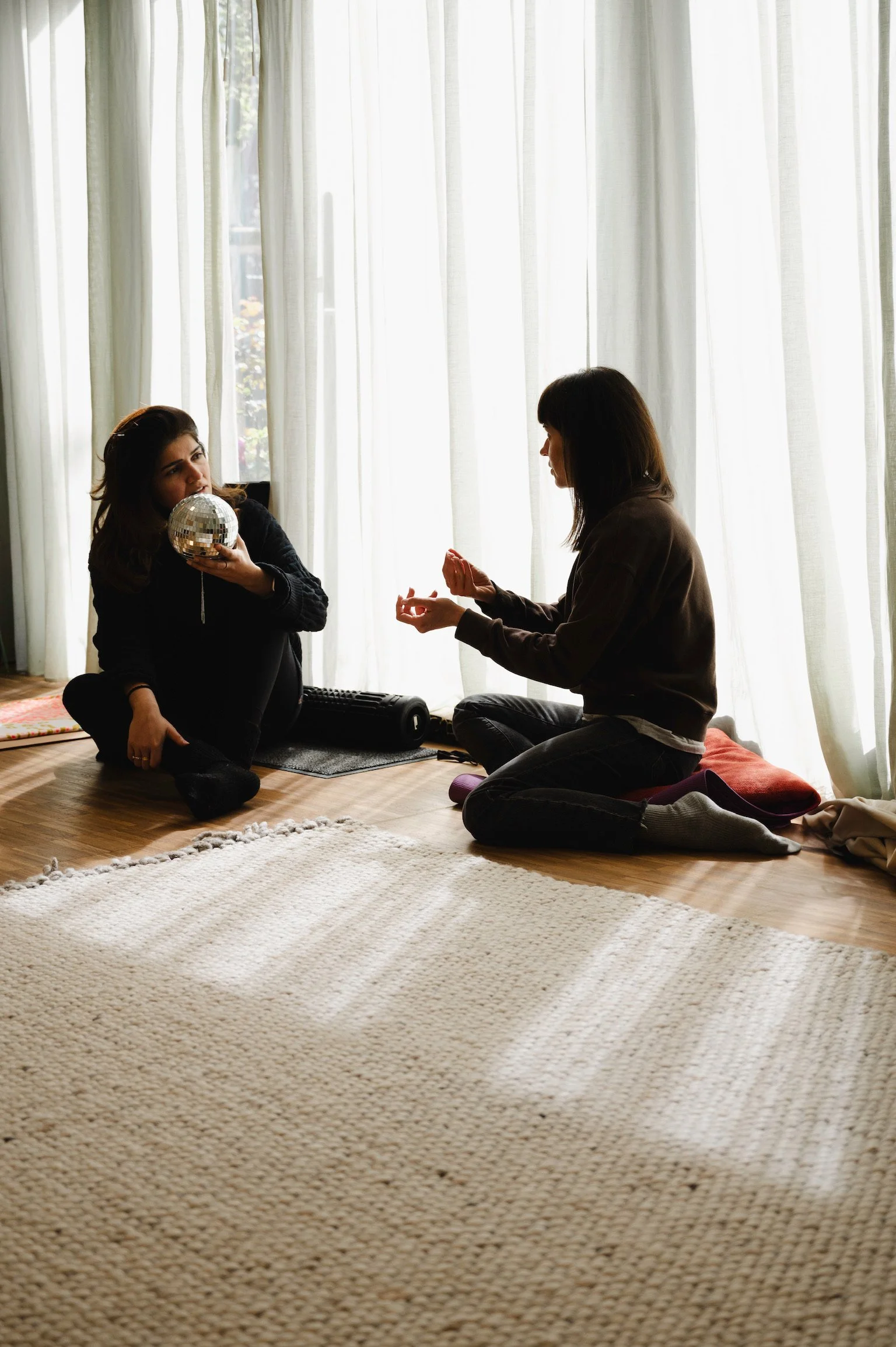
When is it time to seek support?
You don't have to wait until you're completely exhausted before talking to someone. In fact, the earlier you recognise the signs, the easier it is to make meaningful changes. Therapy can offer a space to slow down and understand not only why you're burnt out, but also the patterns that may have contributed to it.
Perhaps you struggle to set boundaries.
Perhaps your sense of self-worth has become closely tied to achievement.
Perhaps you've forgotten what rest feels like without guilt.
These aren't things to "fix."
They're things to become curious about.
A final thought
Burnout doesn't happen because you aren't strong enough.
More often, it happens because you've been strong for too long without giving yourself permission to pause.
If you've recognised yourself in parts of this article, take that as an invitation to slow down rather than another reason to criticise yourself.
Recovery doesn't begin with doing more.
It begins with listening.
And sometimes, listening starts with allowing yourself to ask for support.
If you're looking for an English-speaking therapist in Berlin, or you're based in Athens, Zagreb, or elsewhere and looking for online therapy, I'd be happy to support you in exploring what's beneath the exhaustion and how you can begin reconnecting with yourself again.